How to Get Your Toddler to Eat Vegetables: 15 Tips That Actually Help
The short answer: Offer vegetables often, in tiny portions, next to a food your child already likes – and then take the pressure off. Eat them yourself, let your child help wash, stir and grow them, and expect it to take many tries. Most toddlers learn to like vegetables slowly, through relaxed, repeated exposure – not through "one more bite".
If your toddler pushes the broccoli away every single night, you're in good company. Many children become pickier around age two – it's a normal phase, often called food neophobia (a fear of new foods). The good news: it usually gets better, and there's a lot you can do to help. Here are 15 tips that parents and feeding experts keep coming back to.
1. Keep offering – it can take 10 to 15 tries
Many children need to see and taste a new food many times before they accept it. A "no" today doesn't mean "no forever". Keep putting a small amount on the plate, without comment, again and again over weeks.
2. Serve a tiny portion next to a "safe" food
A whole pile of green beans can look overwhelming. Two green beans next to pasta your child loves feels manageable. Always include at least one food on the plate you know they'll eat, so mealtimes don't turn into a battle.
3. You decide what's served – your child decides how much
Many dietitians recommend a simple split of jobs, often called the division of responsibility: parents decide what, when and where food is served; children decide whether to eat and how much. It sounds small, but it takes a lot of tension out of the table.
4. Eat vegetables together
Toddlers copy what they see. Eat the same vegetables at the same table, and talk about them in a matter-of-fact way: "These carrots are crunchy today." Seeing you enjoy them matters more than any speech about vitamins.
5. Skip the pressure, bribes and "one more bite" deals
"Eat your peas and you get dessert" teaches that peas are the hard part and dessert is the prize. Pressure – even gentle pressure – often makes children dig in their heels. Praise trying, not finishing: "You licked the tomato – that was brave!"
6. Let your child help in the kitchen
Children are far more likely to taste food they helped make. Even a 2- or 3-year-old can wash potatoes, tear lettuce, stir a pot or drop peas into a bowl. A simple vegetable soup is a perfect first project – it's exactly what happens in our story The Empty Soup, where your child cooks Grandma's birthday soup.
7. Grow something together
A pot of cherry tomatoes on the windowsill or a few pea plants on the balcony turns vegetables into a project. Kids love checking on "their" plant – and tasting what they grew. That's the idea behind The Very Big Carrot, where your child plants a garden with Grandma and gets the very first bite of everything.
8. Let them explore with all five senses
Before tasting comes touching, smelling, licking and even spitting out. That's okay. Let your child squish a pea, sniff a carrot, crunch a cucumber and put it back. Every small step counts as progress.
9. Try a different texture or temperature
A child who hates soft, cooked carrots may love raw carrot sticks – or roasted carrots that taste sweet. Try vegetables raw, steamed, roasted, in a soup, grated into pancakes or blended into a pasta sauce. Hiding vegetables can add nutrition, but also serve them where your child can see them, so they learn to like them.
10. Offer dips
Hummus, a yogurt dip or a little ranch makes dunking fun. For many toddlers, dipping turns a vegetable into a game.
11. Let your child choose
At the store or market, ask: "Can you find something orange to try this week?" Choosing gives children a sense of control – and makes them curious about what they picked.
12. Make trying visible
A simple tasting chart on the fridge, with a sticker for every new food your child tried (not finished), turns bravery into something to be proud of.
13. Serve vegetables when your child is hungriest
Put out a small plate of cut vegetables while you cook, or serve them first at dinner. A hungry child is a more adventurous child – before the pasta arrives.
14. Read stories about trying new foods
Stories let children "practice" being brave without any pressure. Some well-loved picture books about picky eating:
- I Will Never Not Ever Eat a Tomato by Lauren Child
- Gregory, the Terrible Eater by Mitchell Sharmat
- Eating the Alphabet by Lois Ehlert
- Green Eggs and Ham by Dr. Seuss
Children connect even more strongly with a story when they are the main character. In our personalized books for picky eaters, your child is the illustrated hero who tastes carrots, peas, tomatoes and broccoli – made from one photo, with their name on every page.
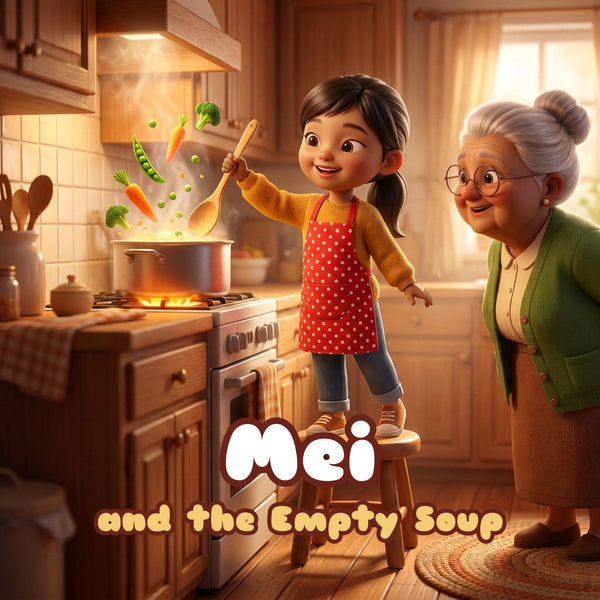
The Empty Soup
♥ Tries new foodsAges 3–7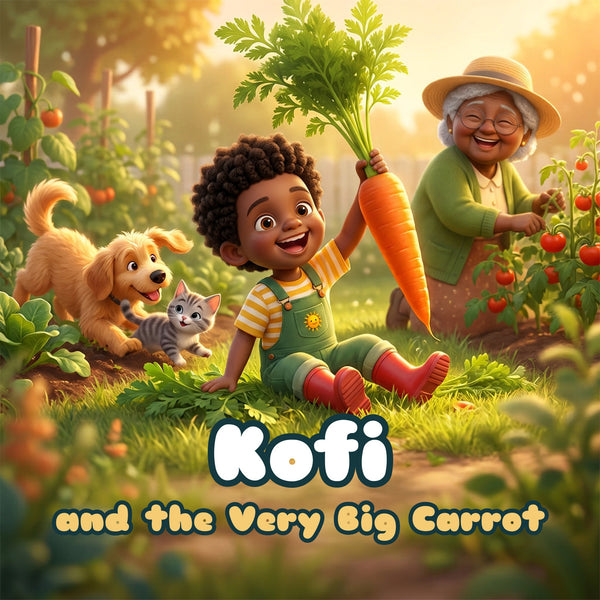
The Very Big Carrot
♥ Loves trying new foodsAges 3–715. Stay calm – and know when to ask for help
Picky eating is common and usually a phase. Keep meals relaxed and trust that small steps add up. Talk to your pediatrician if your child is losing weight or not growing as expected, often gags or chokes, eats only a very small number of foods, or if mealtimes cause a lot of distress for your family.
This guide is general information for parents, not medical advice.
Questions parents ask
Why has my toddler suddenly become a picky eater?
Many children become pickier around age two. It's a normal developmental phase, often called food neophobia, and it usually improves over time with relaxed, repeated exposure to new foods.
How many times should I offer a new vegetable?
Often 10 to 15 times or more. Keep offering small amounts without pressure – many children accept a food only after seeing and tasting it many times.
Should I hide vegetables in my child's food?
Hiding vegetables in sauces or baking can add nutrition, but children also need to see and taste vegetables openly to learn to like them. Doing both works best.
Should I make my child take one bite?
Pressure, even gentle, often backfires. Offer the food, eat it yourself, praise any small step like touching or licking – and let your child decide how much to eat.
Is there a book that helps picky eaters?
Yes. Classics include I Will Never Not Ever Eat a Tomato and Gregory, the Terrible Eater. Fablewish also makes two personalized books for picky eaters – The Empty Soup and The Very Big Carrot – where your child is the hero who tries new vegetables.