Toddler Afraid of the Dark? 12 Ways to Help Your Child Feel Safe at Night
The short answer: Fear of the dark is very common in children ages 2 to 6 and usually passes with time. Take the fear seriously without making it bigger: keep a calm, predictable bedtime routine, use a dim, warm night light, practice "being brave in the dark" in playful ways during the day, and read stories where a child faces the dark and wins. Most children grow out of it with patience and small steps.
If your toddler suddenly won't let you turn off the light, calls you back again and again, or is sure there's something under the bed – you're not alone. As imagination grows, so does the ability to picture things that aren't there. That's a normal part of development. Here are 12 ways to help your child feel safe at night.
1. Listen first – don't laugh it off
"There's nothing to be scared of" doesn't make the feeling go away. Try: "It feels scary when it's dark, doesn't it? I'm here, and you're safe." Naming the feeling helps children calm down.
2. Keep the bedtime routine the same every night
Bath, pajamas, teeth, story, cuddle, lights down – in the same order, at the same time. Predictability itself is calming: your child knows exactly what comes next.
3. Use a dim, warm night light
A soft, warm-colored night light is fine and often helps. Bright or blue light can make it harder to fall asleep, so keep it low and cozy. Some children like to choose their own.
4. Give them a little bit of control
A small flashlight next to the bed, the door open a crack, or a choice between two stuffed animals for "night guard duty". Feeling in control makes the dark less scary.
5. Promise check-ins – and keep them
"I'll come back to check on you in five minutes." Then do it, calmly and briefly. Over time, stretch the minutes. Knowing you'll come back helps children settle without calling out.
6. Play in the dark during the day
Build a blanket fort and read inside with a flashlight. Play flashlight tag or a treasure hunt in a dim room. Making the dark fun in the daytime takes away a lot of its power at night.
7. Check the room together – once
If your child worries about what's in the closet, look together in daylight or with the light on, then close the door. Do it once as part of the routine rather than over and over, so the checking doesn't become part of the fear.
8. Watch what they see before bed
Scary scenes in shows, games or even some picture books can stick around at bedtime. Keep the last hour calm and screen-free if you can.
9. Teach a simple calming trick
"Smell the flower, blow out the candle" – slow breathing in through the nose and out through the mouth. Or a "brave thought" to repeat: "I'm safe. Mom and Dad are close."
10. Read stories about being brave in the dark
Stories let children practice courage from a safe place – your lap. Some well-loved picture books about the dark:
- Can't You Sleep, Little Bear? by Martin Waddell
- The Dark by Lemony Snicket
- The Owl Who Was Afraid of the Dark by Jill Tomlinson
- There's a Nightmare in My Closet by Mercer Mayer
- Orion and the Dark by Emma Yarlett
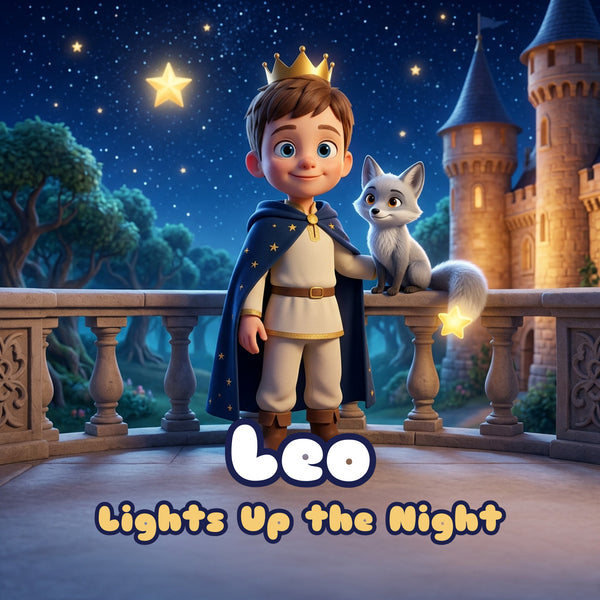
Children connect even more strongly when they are the hero. In our personalized book Lights Up the Night, the Great Star has gone dark – and only your child can make it shine again, with a little silver fox by their side. Made from one photo, with your child's name on every page.
11. Praise bravery, not perfection
"You stayed in bed with the light off for a whole song – that was brave!" Small steps count. A sticker chart for brave nights works well for some children.
12. Know when to ask for help
Most fear of the dark fades over months. Talk to your pediatrician if the fear is very intense, gets worse instead of better, causes panic, or affects your child during the day as well – for example ongoing trouble sleeping, worries all day, or not wanting to be apart from you at all.
This guide is general information for parents, not medical advice.
Questions parents ask
At what age are children afraid of the dark?
Fear of the dark is most common between about ages 2 and 6, when imagination develops quickly. For most children it fades gradually.
Should my toddler sleep with a night light?
A dim, warm night light is fine and often helps. Avoid bright or blue light, which can make it harder to fall asleep.
Should I use "monster spray"?
Some families find it helps, but it can also suggest that monsters are real. Many parents prefer calm reassurance, a flashlight next to the bed and a story where a child is brave in the dark.
Is there a book for a child who is afraid of the dark?
Yes. Classics include Can't You Sleep, Little Bear? and The Owl Who Was Afraid of the Dark. Fablewish's personalized book Lights Up the Night makes your child the hero who brings the light back.